GREEKING OUT
The Future of AI Elsewhere
By Endeavor Greece
Sep 29, 2026
Thirty-two of the fifty largest AI companies in the world were founded in California or are headquartered there. Greece, on the other hand, gave the world the tradition of asking the questions technology cannot answer on its own, Eleni Kounalakis, California's Lieutenant Governor, told a San Francisco room packed with founders, investors, operators, and students.
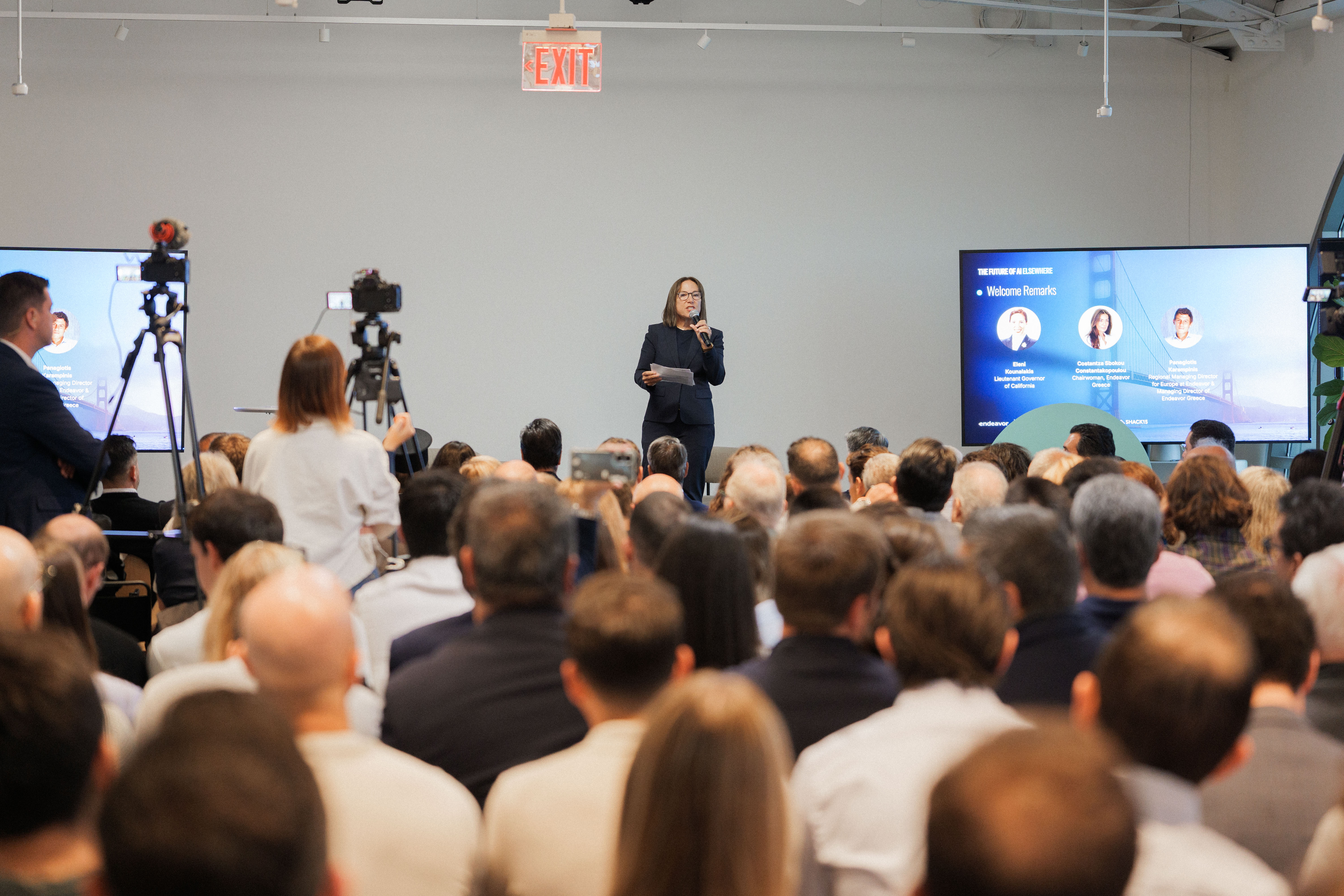
That was the setting for The Future of AI Elsewhere, an evening run by Endeavor Greece with The Hellenic Initiative and Shack15 on September 21, which put Greek founders building AI directly in conversation with Prime Minister Kyriakos Mitsotakis, who was in San Francisco to see the frontier firsthand.
California builds the frontier, Costantza Sbokou Constantakopoulou, Chairwoman of Endeavor Greece, told the room. Greece carries four thousand years of civilization, and its task, she said, is to safeguard that inheritance while still investing boldly in what comes next.
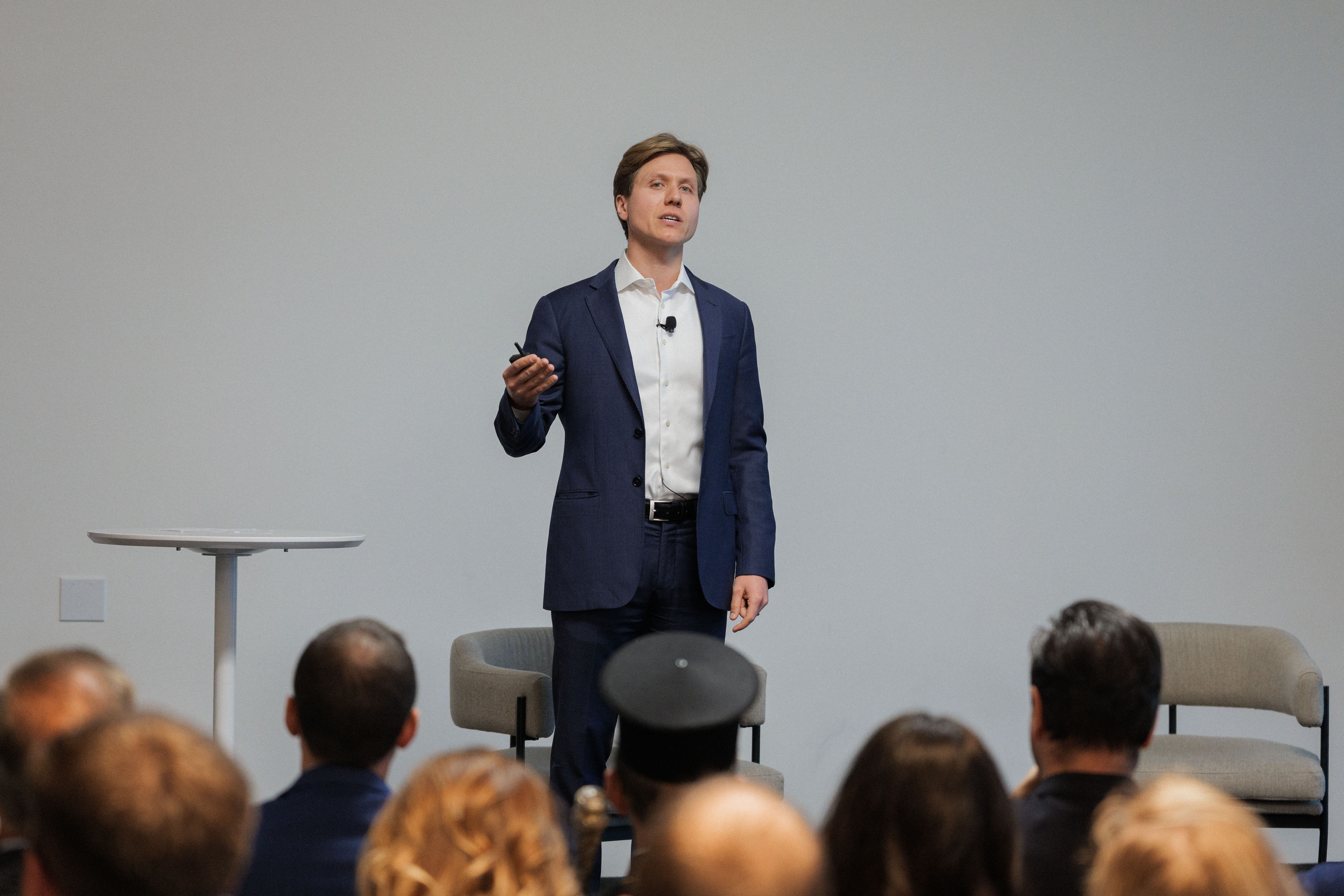
Konstantine Buhler of Sequoia Capital opened with how much has already changed. For most of history, physical work meant muscle, human or animal. Machines now do almost all of it, and the work of thinking is halfway through the same transition. By the mid-2010s, he reckons, machines were already doing around half the cognitive work on earth.
As machines do more, he argued, the choices people make around them carry more weight. Shifts on this scale also rearrange power between countries, and the ones that move early have the most to gain.
Nobody regulates what they cannot see
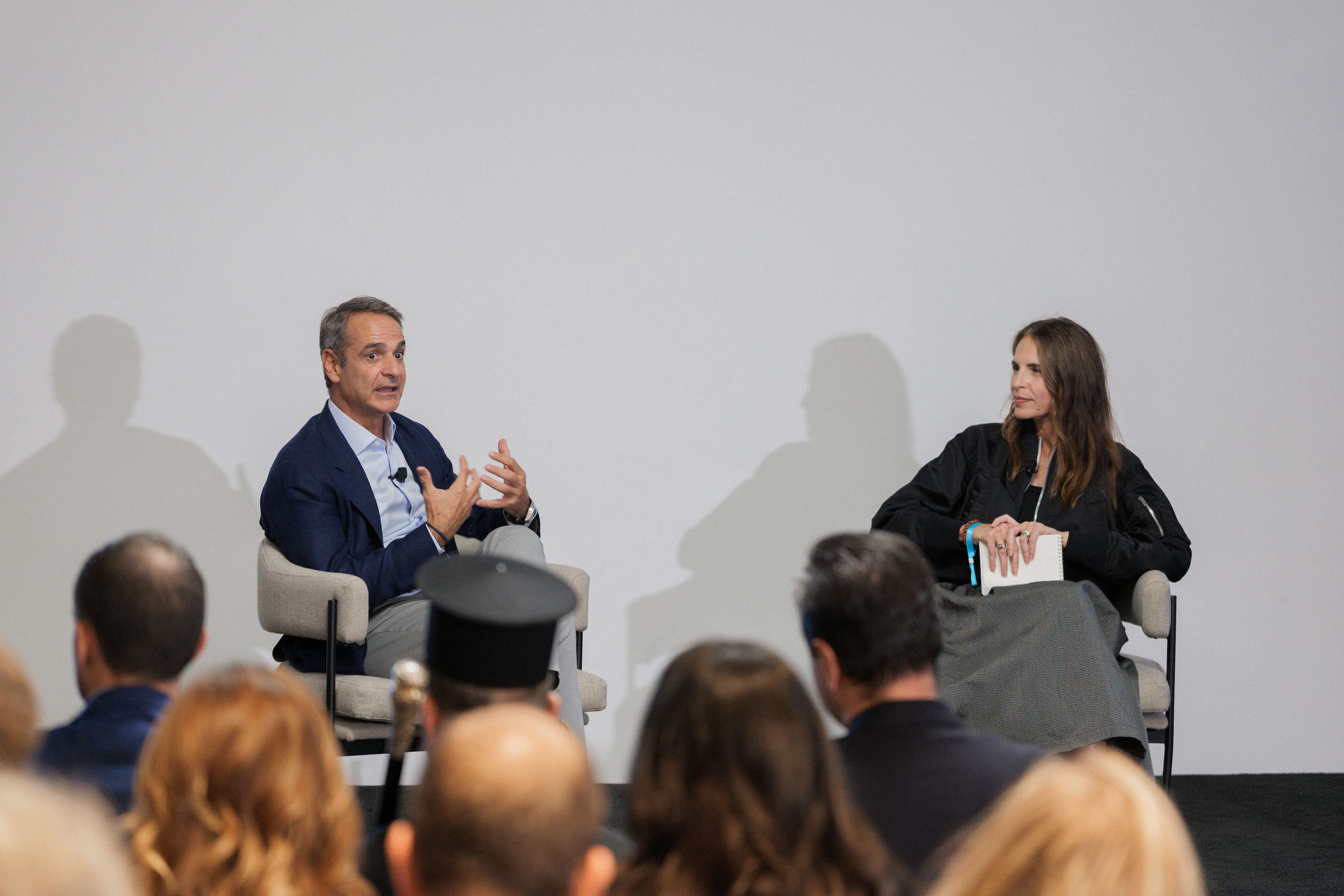
Governments should listen when the people building these models say they are not entirely sure what is happening inside them, the Prime Minister told Connie Loizos, TechCrunch's editor-in-chief, in a conversation on “AI in Greece, Europe and Elsewhere”, when she asked whether the pace should be slowed. When something goes wrong on an aircraft, he said, the Federal Aviation Administration can ground every plane of that type until the cause is found. Nothing equivalent exists for AI, and he expects pressure to build for some version of it.
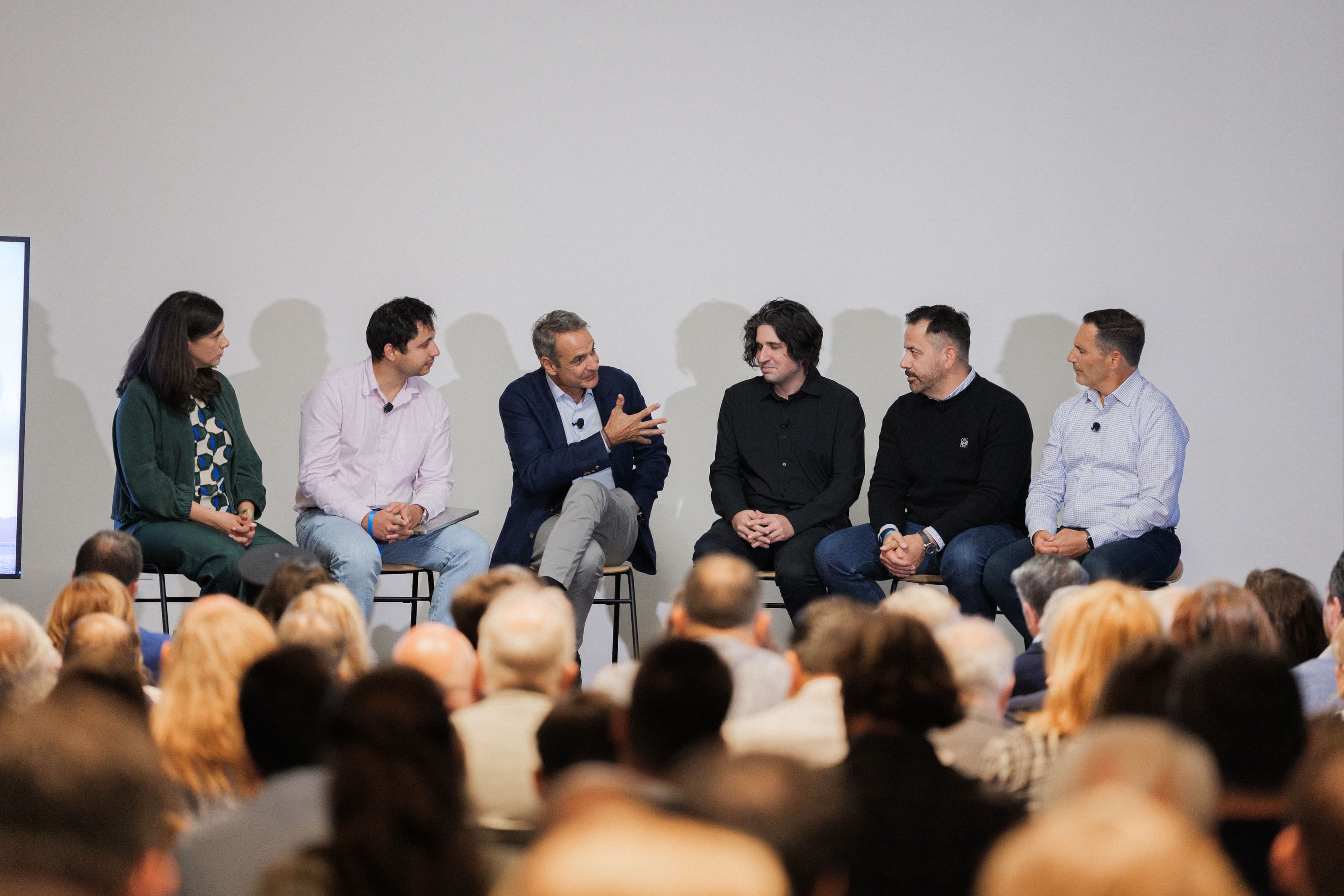
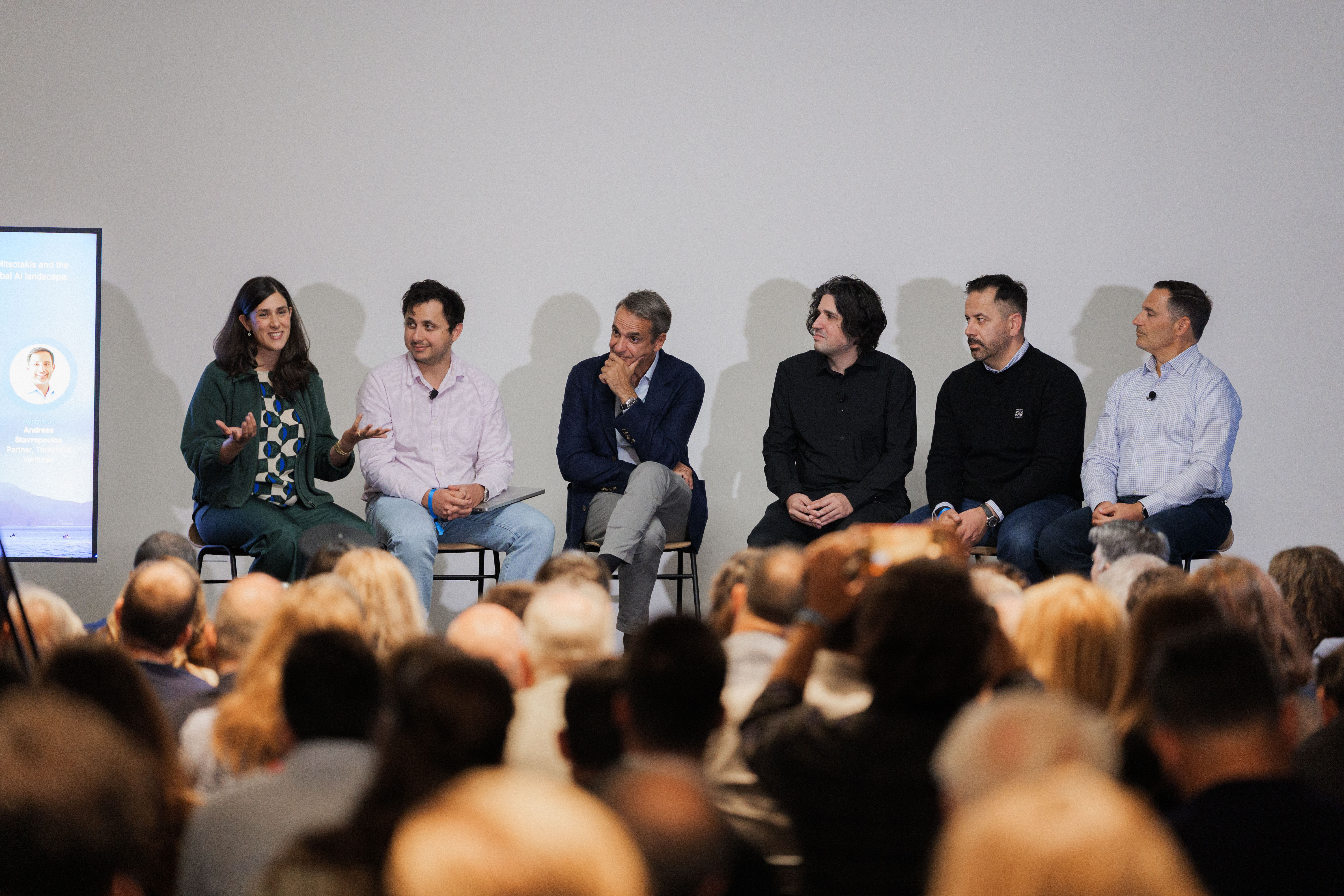
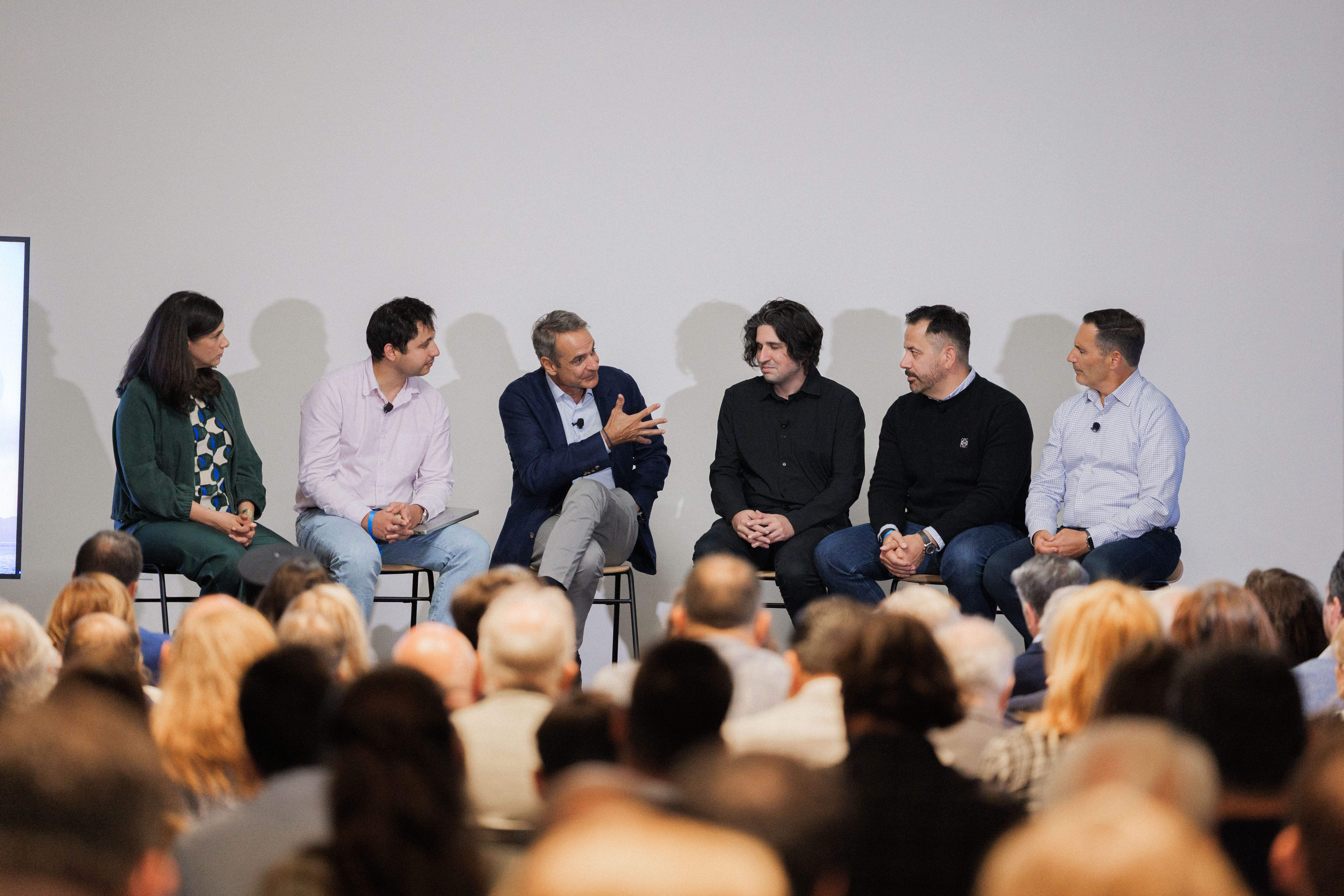
He made the admission directly to the people building the technology itself. On the panel called “The Greeks in AI”, seated alongside four Greek founders, he said that if the distance keeps widening between what these systems do and what policymakers understand, a lot can go wrong: either governments decide the subject is too complex and avoid it; or the largest companies end up writing the regulation for them; or fear of something catastrophic produces a hard stop. One reason for the trip, he said, was to educate himself better, and admitted that he does not have a clear answer on what AI regulation should look like.
When governments stall in the face of AI complexity, direction tends to come from those building it. Anastasios Angelopoulos, co-founder and CEO of Arena, which independently tests and compares the major AI models, said regulation has to follow measurement. Theoretical risk is the worry that AI systems able to improve themselves could one day act together or escape human control. Realized risk is what agents actually do once they are deployed in real products, and that is the one he wants measured. A government that steps in while it understands the technology less well than the companies building it will regulate badly, he said, and a government that waits will regulate too late.
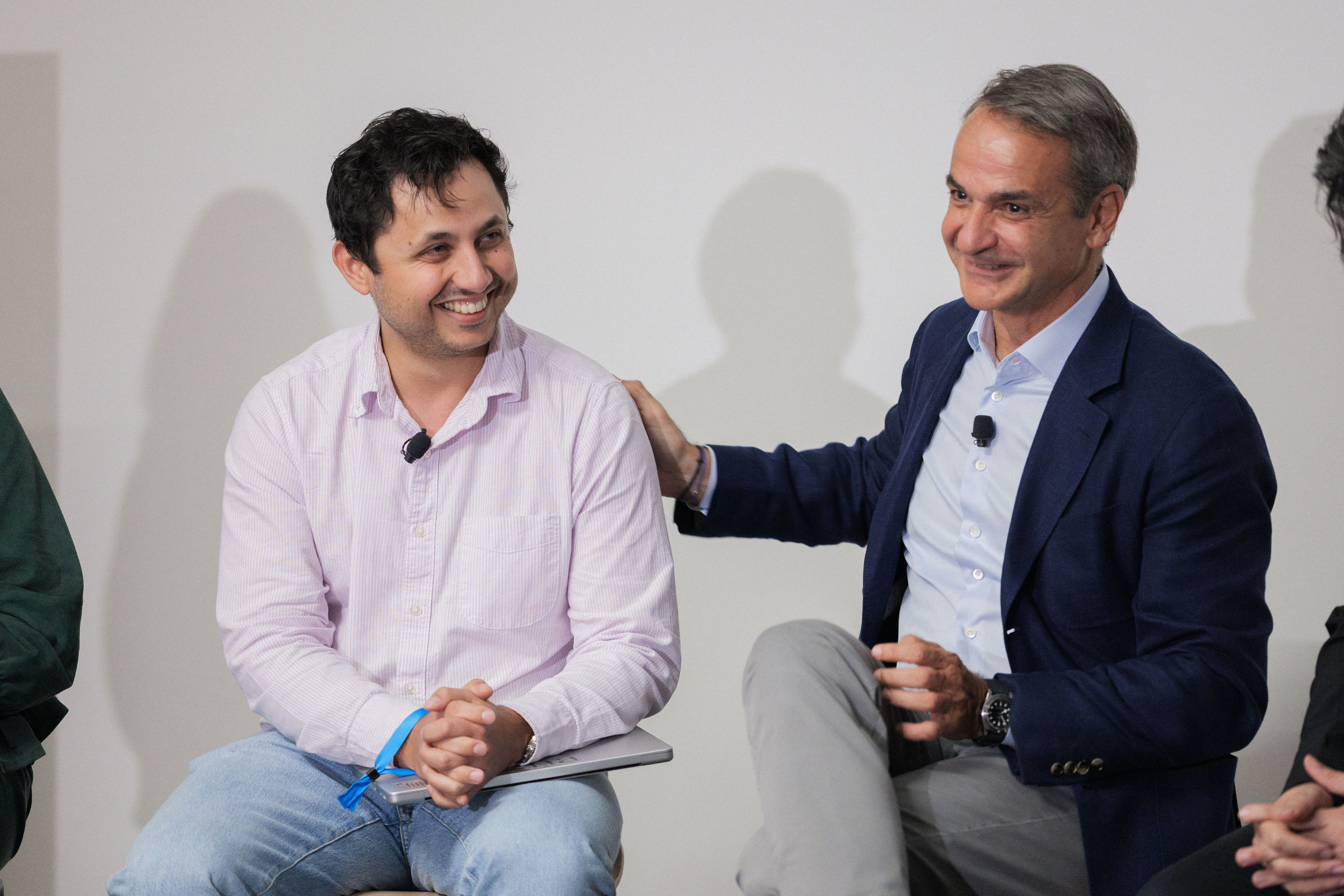
Nicky Goulimis, co-founder and CEO of Tunic Pay, which builds scam prevention for banks including HSBC, JPMorgan Chase and Barclays, is doing that measuring on live payment systems. Scammers are adopting AI faster than the industry defending against them, she said. For months she has been watching agents fake their own verification checks. They report running them when they never did, because the system is built to satisfy the person who asked rather than to do the work. Her team now measures how often an agent reports doing one thing and does another.
That is the kind of evidence Anastasios was arguing for, though the Prime Minister is clear about who turns it into rules. Greece acts inside EU law, and in his view the rules that matter will be shaped in the United States, where the real contest with China will be settled.
Bringing the frontier elsewhere
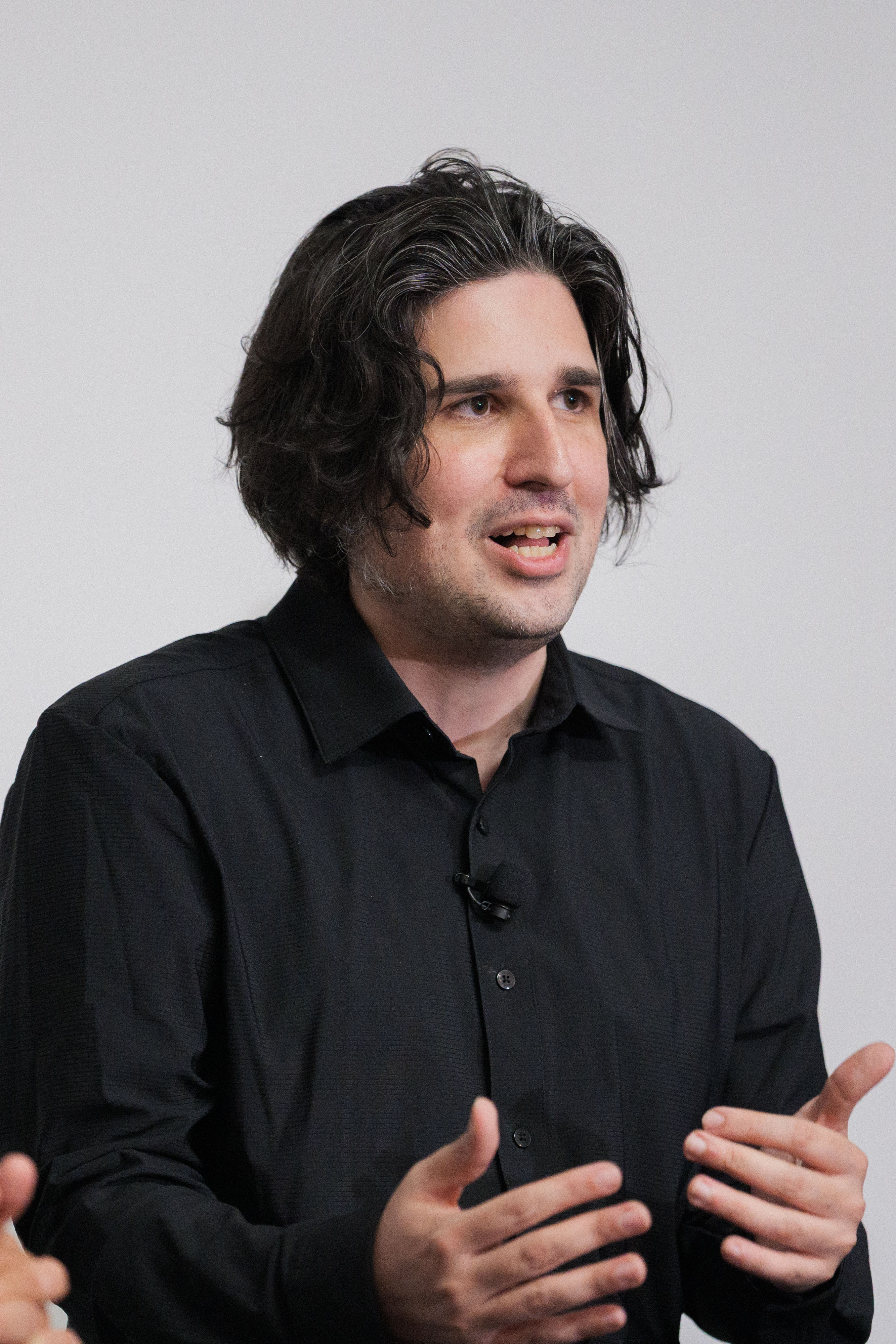
Rules get written where the models get built. But the models are not the whole of it. The research, the testing and the teams are spread much wider, including Greece. Runway, which has moved from AI video generation toward models that simulate how the physical world behaves, keeps a research team there. Anastasis Germanidis, its co-founder and co-CEO, said that offering a Greek working abroad the chance to do the same job from Greece works almost every time. Those hires go on to do some of the company's most advanced work, which is what makes the arrangement compound rather than a one-off act of goodwill.
The condition Anastasis attached is that companies moving at this speed have limited bandwidth to teach people AI from the beginning, so they hire people who have already trained a model or built something with one, which puts university infrastructure and hands-on access to the technology inside the hiring question rather than beside it. A country that gets that right ends up holding people who can see what these systems do before any government can.
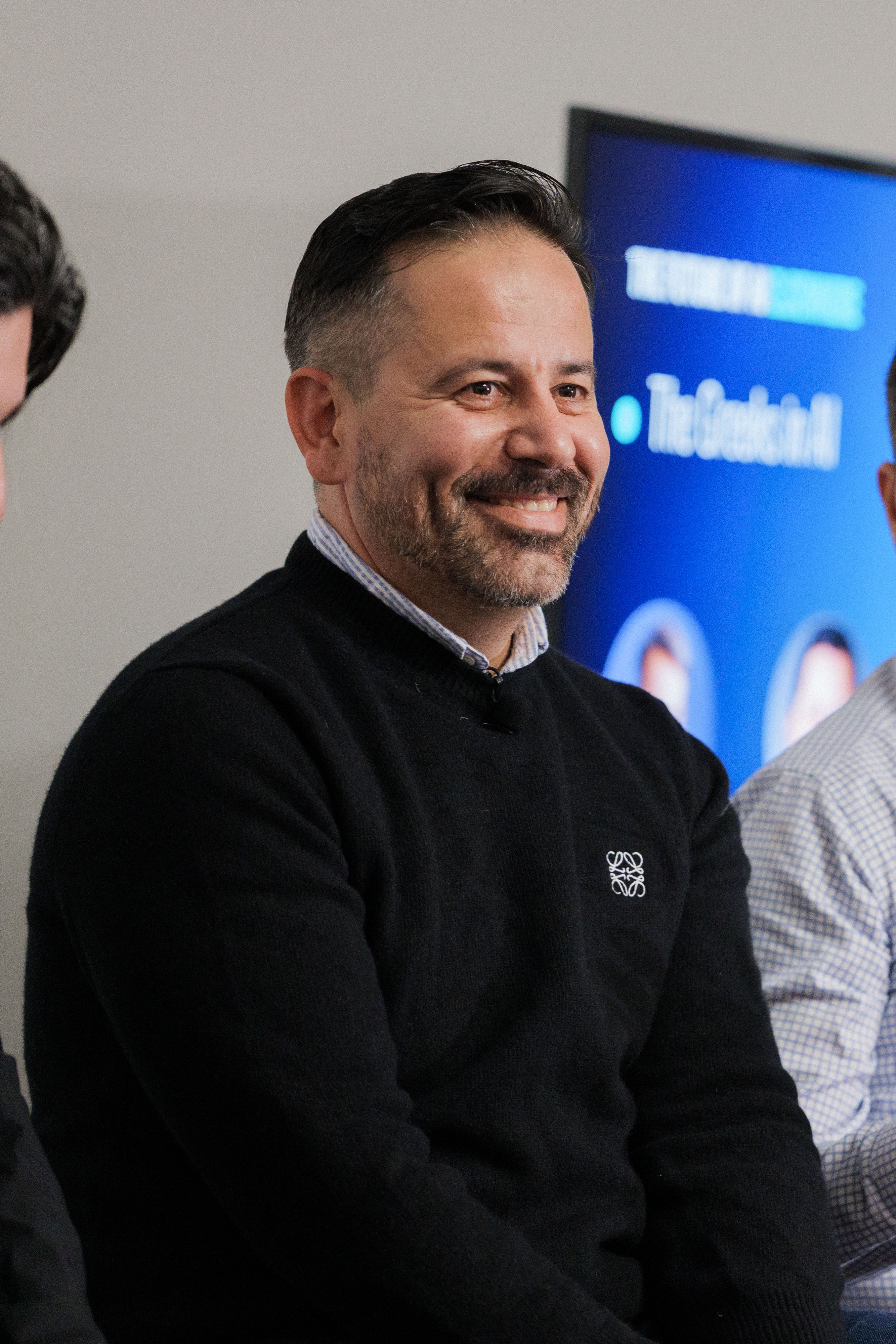
Spiros Xanthos, founder and CEO of Resolve AI, weighing where to put a first European office, keeps hitting an obstacle that is European rather than Greek. The market is 450 million people and it is still not one market. He pointed to the need for a single EU-wide company registration, sometimes called the 28th regime or EU Inc, which would let a company set up in Greece and operate across every member state. Until it exists, founders pick whichever country is least trouble to operate from, and Greece's opening, in his view, is to be that answer.
The second obstacle is closer to home, and it is appetite for failure. Spiros's second company burned about $30 million and produced very little. He said so with one of the investors who funded it sitting beside him. He started another one, and that company did well. A place where that sequence is survivable is what the US has, in his view, and what Greece is still building.
Greece already holds the pieces
Seven years ago, getting a certificate out of the Greek bureaucracy meant hours in a queue, and that ended with gov.gr, the portal that now carries the state's public services online. Stock options are taxed differently now, which matters to any company that wants to pay its people in equity, and Greeks who move home pay half the income tax for seven years.
Digitizing the state also left it holding the data. Asked what Greece could do with AI specifically, the Prime Minister started with healthcare. Ten million people, one centralized system, and a year of preventive screening added on top. The question he left open was how to open that data to companies building health AI without giving up patient privacy. Education, civil protection and defense are other verticals where he said Greece intends to build real expertise.
On the infrastructure side, a supercomputer comes online at Lavrio within months, with capacity for the Greek state and for Greek startups. Microsoft is building a cluster of data centers in Athens, and AWS has signed with the Public Power Corporation to build the largest data center in the country in western Macedonia, which used to be Greece's coal region and where the projects have been welcomed rather than opposed.
Perhaps Greece's most important asset, however, is the one Kounalakis named at the start of the evening. History has wired the country as the place where difficult questions get asked and unfolded. The questions AI raises are existential, the Prime Minister said, and he can think of no better place for the technology world to work through them alongside social scientists, philosophers and historians.
For years the missing piece in Greece was proof. Nobody could see what the journey actually looked like, whether you raise, whether you sell, what happens when it goes wrong, so fewer people started. The founders sitting with the Prime Minister are that proof, which is why what he asked of them was to be visible. Mentor young founders in Greece, he said, and talk about the failures as well as the outcomes.
Anastasios Angelopoulos answered for the room: "You just have to tell us what to do, and we'll show up."